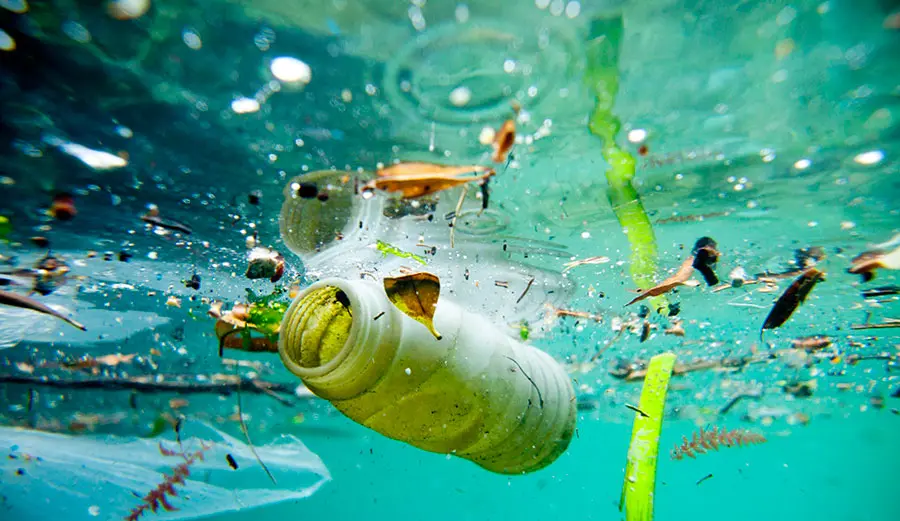
Plastic pollution is a major global problem caused mainly by single-use plastics and poor waste management, harming marine life and breaking down into harmful microplastics. While efforts like bans and cleanups exist, real solutions require reducing plastic use, improving recycling, and redesigning products for sustainability.
Plastic pollution in the ocean isn’t just another environmental issue — it’s one of the biggest crises of our time. A silent catastrophe unfolding beneath the waves, choking marine life and haunting coastlines across the world.
Every year, humanity churns out 353 million tons of plastic waste (OECD, 2022–2023). That’s packaging, bottles, clothes, industrial junk — you name it. Out of that mountain of waste, about 8 to 12 million tons slip into the ocean annually. Imagine Everest made of plastic — now picture a giant river of trash flowing down from it every year into the sea. That’s our reality.
The Enemy in Your Hand: Single-Use Plastics
Let’s face it — the biggest villain in this story is convenience. Plastic bags, straws, bottles, and food wrappers are designed for moments of use and centuries of pollution. Lightweight, cheap, and everywhere — they get blown or washed into rivers, sneak their way into the ocean, and never really leave.
Even in paradise-like places, the impact shows. Take Vanuatu, a stunning island nation of 80 volcanic islands in the South Pacific. The country once produced up to 30% of its plastics from banned single-use items — but after strict bans, that number dropped to just 2%. Still, beaches often glimmer with chewing gum wrappers and juice bottles instead of seashells. Beauty meets heartbreak.
Rivers and Ghosts: How Plastics Travel
The journey of ocean plastic often begins far inland. In developing countries, where waste systems are weak or nonexistent, trash is dumped in open landfills or straight into rivers. Rainfall washes it to the sea — and that’s how rivers become plastic highways.
The Yangtze River in China is the world’s biggest plastic polluter, sending up to 1.47 million tonnes of waste into the ocean every year — more than most rivers combined. Globally, just 10 rivers are responsible for up to 95% of all river-borne plastic pollution. That’s how concentrated the crisis is.
Then there’s “ghost gear” — abandoned fishing nets and traps that continue catching marine animals for years. In California, rescuers have found sea lions strangled in plastic lines, their flesh torn by ghost nets. Sea turtles mistake floating bottles for jellyfish. Many don’t survive long enough to learn the difference.
Accidents, Microplastics & the Invisible Threat
Even cargo ships and oil platforms play their part — from illegal dumping to disastrous spills. Remember the 2021 nurdle spill off Sri Lanka? Billions of plastic pellets washed ashore, blanketing beaches in toxic white grains.
And then there are microplastics — tiny fragments smaller than 5mm that come from clothes, car tires, cosmetics, or broken-down debris. Scientists estimate there are now over 170 trillion microplastic particles swirling in our oceans. Trillions. Floating through the same waters we fish from and swim in.
When Plastic Outlives Everything
Nearly 80% of ocean plastic comes from land. It doesn’t biodegrade — it just breaks into smaller and smaller pieces, forever part of the ocean’s food chain. Every wrapper you toss on the street could one day end up in a turtle’s stomach or inside your own seafood dinner.
And then there’s the monster we can actually see: the Great Pacific Garbage Patch — a floating soup of debris as big as Texas. Every year, 100 million marine animals die because of plastic entanglement or ingestion.
Fighting Back: From Policy to Innovation
The good news? The world is waking up.
Over 120 countries have banned or taxed single-use plastics.
The EU outlawed 10 of the most common disposable plastics.
Kenya enforces one of the strictest bans on plastic bags — with heavy fines and even jail time for violators.
But bans alone aren’t enough. About 2 billion people still live without proper waste collection, and 91% of global plastic is never recycled. The real fix lies in systemic change — building modern recycling systems, rewarding waste segregation, and embracing circular economies where waste becomes raw material again.
The Cleanup Movement
Rivers are the arteries of pollution — so intercepting trash there is crucial. Projects like The Ocean Cleanup’s Interceptor use floating barriers and AI-powered traps to pull up to 50,000 kg of plastic a day from rivers before it ever reaches the sea.
Meanwhile, massive cleanup systems target the open ocean. Volunteers sweep beaches. Startups develop biodegradable fishing nets and deep-sea cleanup robots. Universities are even experimenting with plastic-eating enzymes that could break down waste on a molecular level — imagine that, a bacteria that eats our mess.
The Future: Redesign, Don’t Just Recycle
The ultimate goal isn’t to recycle better — it’s to redesign everything we make.
A future where every product is:
- Reused
- Repaired
- Repurposed
That’s the vision behind the Ellen MacArthur Foundation’s Circular Plastics Economy, where major brands like Coca-Cola, Unilever, and Nestlé commit to reinventing plastic use by 2030.
A Call to Action
Plastic pollution in the ocean is massive — but it’s not unstoppable.
If we act now — through smart policy, innovation, and collective action — the UNEP says we could cut ocean plastic pollution by 80% by 2040.
The solution is not one single act, but a chain reaction:
Reduce → Redesign → Recycle → Recover → Rebuild.
The ocean has given us everything — food, life, beauty, and balance. Now, it’s crying for help.
And the truth is: saving it starts not with someone else, but with us — every bottle we skip, every habit we change, every wave we choose to protect.
Published in