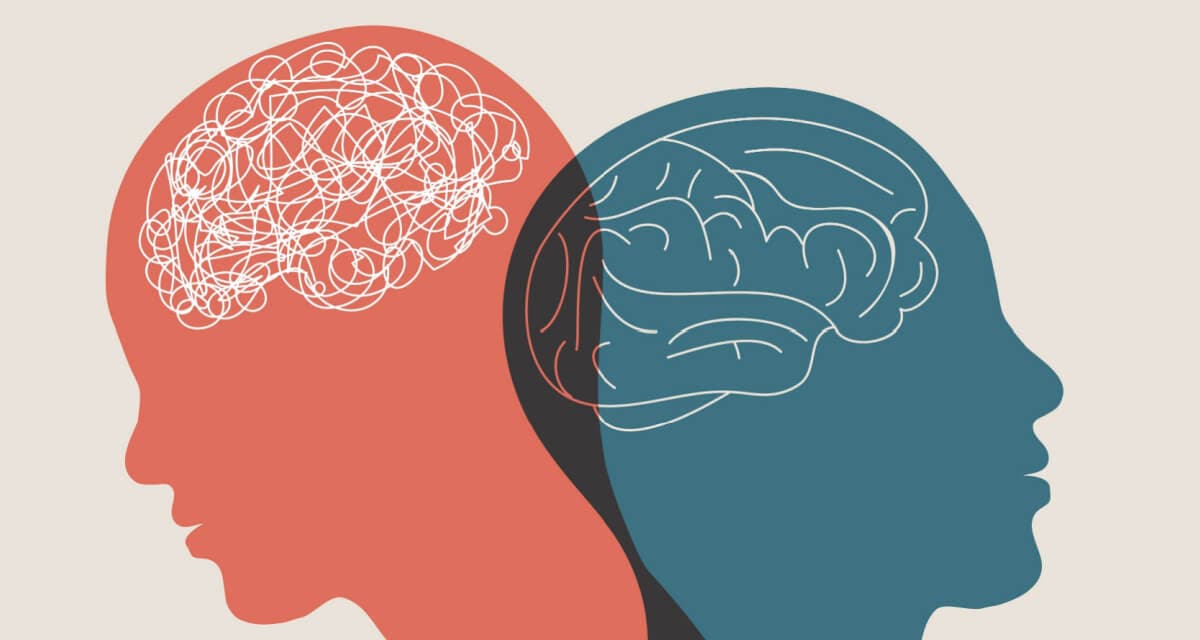
The piece shares the struggle of being pushed into studying medicine in Nepal despite a passion for creativity, leading to burnout and loss of identity, something many young people experience due to societal pressure. They highlight the importance of mental health awareness and the need for support systems that allow youth to pursue their own paths.
Here in Nepal, the path to respect is almost pre-written: become a doctor, make your family proud, earn stability, earn status, and never, ever question whether you actually want any of it. For years, I didn’t. I went along, as if my own desires didn’t exist, as if the blueprint of life someone else had drawn for me was the only way forward.
When I was a kid, I dismantled radios just to see how they worked. I built little circuits with my father and dreamed in colors, wires, and diagrams. My father is an engineer, and I adored his creativity, the way he could imagine a world and then make it real with his hands. I thought my future would look something like that too curious, messy, alive.*
But in my teens, the pressure began to shift.
Engineering wasn’t “prestigious enough.” Medicine was the real achievement, the one families bragged about at weddings, the one neighbors measured your worth by. Slowly, quietly, the life I had imagined for myself was replaced by the one everyone else expected. I didn’t choose medicine. Medicine or rather, my family chose for me.
Every day in classrooms full of charts, diagrams, and words that never felt alive, I felt myself disappearing. I wasn’t exhausted because the subject was hard, I was exhausted because I was studying a future that didn’t belong to me. My hands ached for the freedom to create, my mind ached for curiosity, my heart ached for a life that felt like mine. And in Nepal, I knew I wasn’t the only one silently crumbling.
My friends were breaking too. Some cried between classes. Some drank or smoked to cope. Some pretended everything was “fine” because that’s what good children do. We were teenagers carrying the weight of our families’ expectations, of ancestral dreams and societal pressure, and no one seemed to notice the cracks forming in our hearts.
The pandemic hit in 2020 also fueled the mental pressure earlier. Whatever fragile structure was holding us together collapsed.
We were told to stay home, stay safe. But inside those homes, nothing felt safe. Schools closed. Friendships dissolved into glitch screens. Conversations turned to silence. The pressure didn’t ease, it multiplied.
According to the World Health Organization, global youth depression and anxiety jumped by more than 20% during the first year of COVID-19. Reading that, I thought: of course it did. For many of us, the pandemic didn’t create a mental health crisis, it exposed one that had been quietly growing for years, hidden behind the pretense of achievement, pride, and silent endurance.
Meanwhile, social media kept showing endless versions of perfection: perfect bodies, perfect routines, perfect success. My own life felt slow, messy, and confusing. Every scroll reminded me of what I wasn’t. Every “like” gave a tiny hit of validation that vanished almost immediately.
But the heaviest burden wasn’t comparison, it was fear of the future.
Youth unemployment is its own kind of trauma. You study for years. Your family invests everything they can. And then you step into a job market where rejection is routine. Therapy is expensive. Vulnerability is judged. Boys are told not to cry. Girls are told to endure. Everyone is told to hide.
No wonder so many young people are breaking quietly, carrying invisible wounds and whispered fears.
For me, healing didn’t come in one dramatic moment. It came in small, shaky steps:
I talked , really talked , to people I trusted.
I learned boundaries nobody had ever taught me.
I picked up coping tools more useful than half the formulas I memorized in school.
I stopped letting my phone dictate my worth.
I allowed myself to admit I wasn’t okay.
I finally stopped living someone else’s life.
And in that space, I found something I hadn’t felt in years: myself.
Mental health isn’t a personal failure. It’s generational. Cultural. Societal.
We cannot keep telling young people that stress is normal, anxiety is drama, or depression is laziness. We cannot push them into careers and identities that don’t fit just because they look good on paper.
A country cannot thrive if its young people are drowning in silence.
We need parents who listen instead of lecture.
We need schools that teach emotional skills as much as academic ones.
We need therapy people can actually afford.
We need communities that call pain human, not weak.
I spent years living the life everyone else wanted for me.
And finally, I am starting to live the life I want.
Messy, uncertain, and entirely mine.
I am learning that a life worth living doesn’t come in neat charts or societal checkboxes. It comes in moments of authenticity, in the courage to admit fear, in the small acts of self-kindness we are often denied. And slowly, piece by piece, I am building a world where my heart and my choices matter just as much as anyone else’s.
Published in