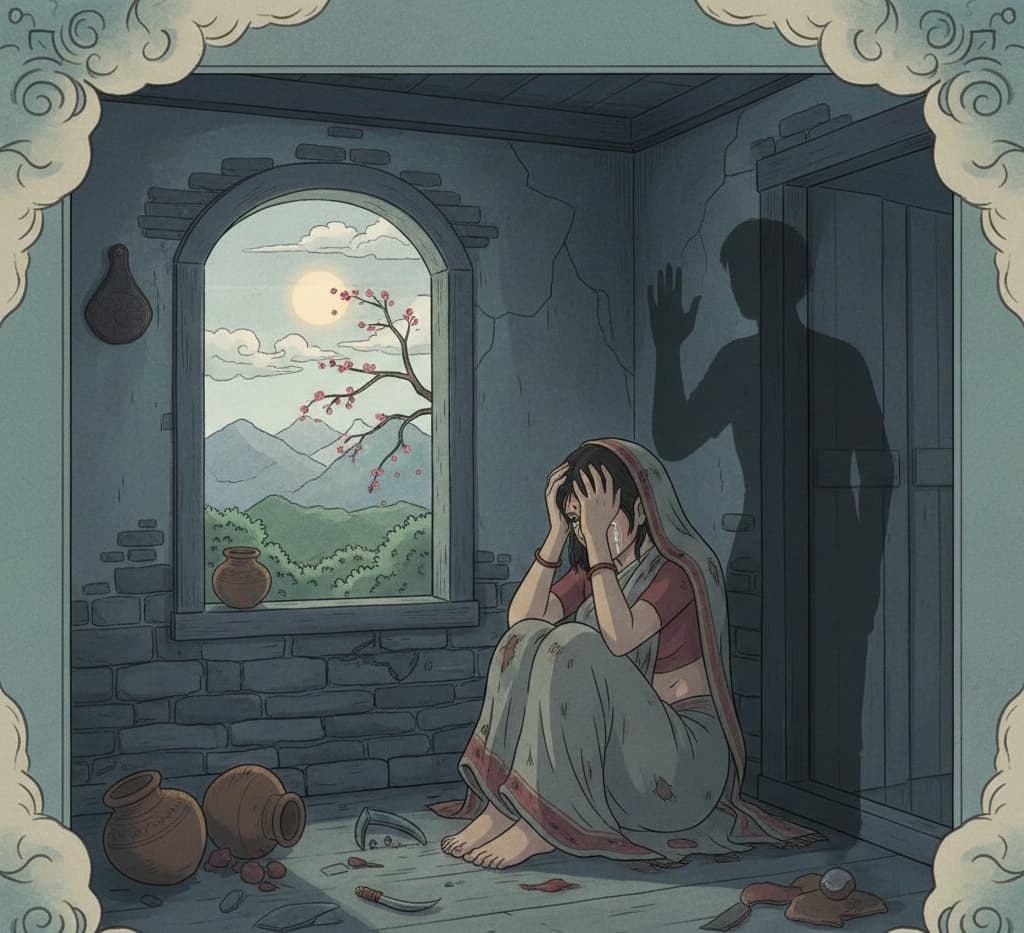
A Silent Crisis of Gender-Based Violence in Madhesh Province
In the first week of December, a deeply disturbing incident shocked the nation and reignited conversations around political protection and impunity. Reports emerged about a well-known UML member, who was also a mayoral candidate from Janakpurdham, allegedly raping a young woman from Madhesh Province. The survivor had been married just one day prior to the assault.
Even more horrifying was the revelation that the crime was reportedly a gang rape involving four individuals, including the survivor’s own maternal uncle and the political figure. The survivor is currently believed to be living in a safe house, seeking safety, medical care, and justice.
However, safe houses intended to be spaces of protection and recovery are increasingly becoming sites of renewed trauma. In a recent interview with (Women Rehabilitation Center) WOREC, a leading organization working on women’s rights and protection, it was revealed that many perpetrators, particularly following the Gen-Z protests in September, have escaped. Some allegedly traced survivors to safe houses, where they continued to harass, blackmail, verbally abuse, and issue rape and death threats. These incidents reveal serious gaps in survivor protection mechanisms and raise urgent questions about the state’s responsibility to ensure safety beyond immediate rescue.
Statistical evidence further highlights the severity of the crisis in Madhesh Province. According to Nepal Police data, domestic violence accounts for 78.82% of all registered gender-based violence cases, with Madhesh recording the highest number nationwide. The province is also widely known for the entrenched dowry system, which continues to fuel violence against women. Alarmingly, dowry has become so normalized that many young men openly admit to pursuing higher education in fields such as medicine or engineering with the expectation of receiving a “high dowry” from their future bride’s family. In many cases, dowry money is used to repay educational expenses, reducing marriage to a transactional arrangement and women to financial commodities rather than equal partners.
Polygamy further compounds the vulnerability of women in the region. Numerous documented cases reveal that when men take additional wives, the first wife often becomes a victim of physical, emotional, and psychological abuse. Such practices frequently escalate into domestic violence, leaving women trapped in cycles of fear, economic dependency, and social isolation, with little access to legal remedies or community support.
A recent report released by WOREC provides a clearer picture of the scale of violence. Over the past six months, 141 cases of violence against women were recorded in Madhesh Province. Among these, 84 cases were related to domestic violence, 24 cases involved social violence, 20 cases were instances of sexual violence, and 13 cases fell under other forms of abuse. The report, based on direct complaints and local media monitoring, covers incidents from districts such as Dhanusha, Mahottari, Sarlahi, Bara, Rautahat, Siraha, and Saptari excluding Parsa between March and September. Domestic violence emerged as the most prevalent form of abuse, overtaking all other categories.
The findings strongly suggest that dowry remains a key underlying factor behind a majority of these incidents, reinforcing the link between harmful traditional practices and violence against women.
Gender-based violence in Madhesh Province is not simply a collection of isolated crimes, it is a systemic human rights crisis rooted in patriarchal norms, weak law enforcement, political interference, social acceptance of violence, and inadequate survivor support systems. Addressing this crisis requires far more than momentary outrage or symbolic condemnations. It demands political accountability, survivor-centered justice mechanisms, strengthened institutional protection, effective monitoring of perpetrators, and a collective societal commitment to dismantling the structures that allow gender-based violence to persist across generations.
Only through sustained action, honest dialogue, and structural reform can Madhesh Province move toward a future where women and girls live with dignity, safety, and equality.
Published in
Indepth Story