Gen Z is leading global protests driven by frustration over economic struggles, corruption, and failing systems, using social media to organize and amplify their voices. Across countries, they are demanding fairness and change, marking a new era of bold, youth-led activism.
If you’ve scrolled through literally any social media platform lately, you’ve probably seen it — clips of young people marching, chanting, or livestreaming from the middle of chaotic crowds. Hashtags like #GenZProtest and #YouthRevolt are trending across countries. So, what’s going on? Why is Gen Z — the so-called “TikTok generation” — suddenly taking to the streets?
Let’s unpack this.
Who Exactly Is Gen Z?
Gen Z are those born roughly between the mid-to-late 1990s and early 2010s — the ones who grew up swiping before they could spell. They’re the first generation raised entirely in the digital world — smartphones, memes, Wi-Fi, and instant information are practically part of their DNA.
They’re tech-savvy, socially aware, and allergic to injustice. This generation doesn’t wait for “someone else” to fix things — if something’s wrong, they’ll tweet about it, make a video, create a movement, and boom — the world takes notice.
The Spark: Why Gen Z is Fed Up
From Nairobi to Kathmandu, Casablanca to Lima — young people everywhere are tired. They studied, graduated, followed the rules... and still ended up facing job insecurity, inflation, housing crises, and broken political systems.
They’re not just protesting for political sides anymore. It’s not “left vs. right” — it’s “the old system vs. a new generation.” They’re demanding dignity, opportunity, and fairness — basic things that feel out of reach for too many.
And because social media has flattened the world, a protest in one country becomes global inspiration overnight. One spark in Kenya, and suddenly, youth in Peru, Nepal, and Morocco are thinking, “Wait — we can do that too.”
The First Wave: March for Our Lives (USA, 2018)
Before “Gen-Z protests” became a global trend, there was one that started it all — the March for Our Lives rally in March 2018. It was organized by high school students after the tragic Parkland school shooting in Florida.
It showed the world what this generation could do: mobilize millions, craft powerful messages, and challenge governments — all powered by smartphones and raw emotion.
Kenya, June 2024 — “No More Taxes!”
Kenya became the blueprint for modern Gen-Z activism. The Finance Bill 2024 tried to add new taxes on everyday essentials like bread, cars, and even mobile money transfers.
For young Kenyans, already struggling with high costs of living and unemployment, it was the last straw. The protests — led, organized, and livestreamed by youth — spread fast. By late June, the streets were packed, the hashtags were trending, and the government had to backtrack.
President William Ruto even dropped key tax proposals and refused to sign the bill as it was. A rare, real win — powered by Gen Z.
Nepal, September 2025 — From Hashtags to Heartbreak
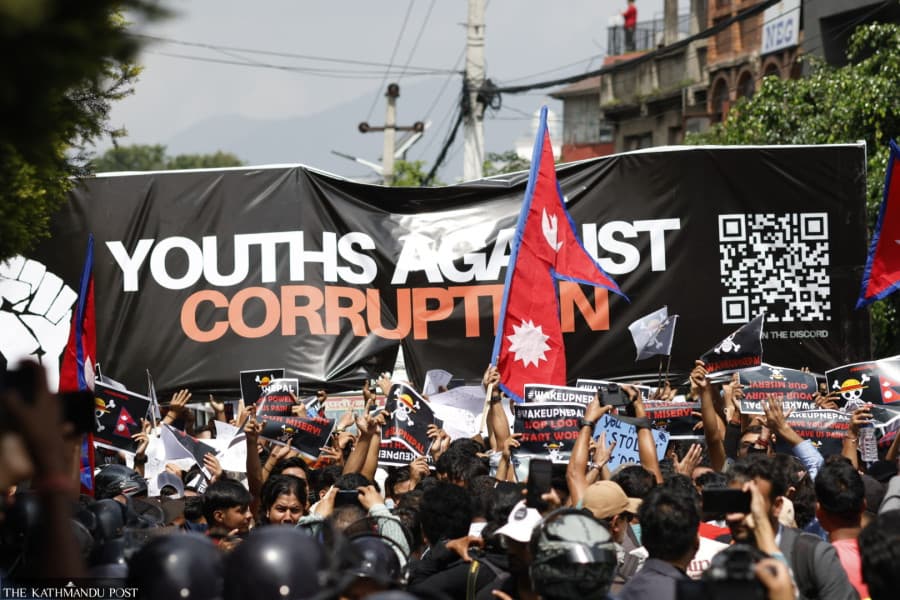
Then came Nepal. What started as online frustration over corruption, nepotism, and government privilege turned into something much bigger. When the government decided to ban 25 social media platforms, it was like pouring gasoline on a fire.
Influencers like Abhinav Shahi, an 18-year-old, urged followers to show up on September 8th in Kathmandu. The “Gen-Z protest” began peacefully — until tragedy struck.
Police opened fire. A boy, barely in his teens, was shot dead. Images of the scene flooded the internet — horrifying and heartbreaking. By the end of the day, 72 people were killed nationwide.
I was in Nepal then. I still remember scrolling through my phone, reading updates, feeling the same disbelief and rage everyone else did. We started emailing international organizations, begging for help. But news outlets got it wrong — calling it a “social media protest” when in reality, it was a fight against corruption and injustice.
The next day, the anger boiled over. Protesters targeted the homes of politicians and government buildings. What began as a call for change turned into chaos — fires, destruction, and instability. It was a dark, painful moment for a generation that just wanted to be heard.
Peru, September–October 2025 — “We’re Not Your Pension Plan!”
In Peru, things exploded after a pension reform law forced every adult, even self-employed youth, to join a pension provider. It might sound bureaucratic, but for many, it felt like another burden on a generation already struggling with unemployment and low pay.
By late September, protests erupted across the country. Plaza San Martín in Lima became the beating heart of the “Gen Z” movement.
When a new president took office in October, youth demanded his resignation. Clashes got violent; at least one protester died, and over 100 were injured. Still, the movement didn’t stop. Gen Z in Peru kept pushing — not just against the pension law, but against a broken system.
Morocco, September 2025 — “We Don’t Need Stadiums, We Need Hospitals”
In Morocco, frustration had been brewing for years — youth unemployment, poor healthcare, and a sense that big promises never reached ordinary people.
Then tragedy hit: eight pregnant women died in a public hospital in Agadir. That was it. Protests ignited under the banner of Gen Z 212 (the country code for Morocco).
Their rallying cry?
“The stadiums are ready, but where are the hospitals?”
Young Moroccans used TikTok, Discord, and Instagram to organize — leaderless but united. The government’s heavy-handed response only fueled more anger. Despite arrests and prosecutions, the message was loud and clear: the youth demand a future worth staying for.
A Global Pattern, One Generation
From Nairobi to Kathmandu, Lima to Casablanca — different countries, same story. Gen Z is tired of being ignored, silenced, or told to “wait their turn.”
They’ve watched their parents struggle, seen corruption go unpunished, and lived through economic crises that never seem to end. But unlike older generations, they have the tools to fight back — smartphones, social media, and a global network that moves faster than any government ever could.
It’s not just about protests anymore. It’s about identity. Purpose. Fairness. A collective cry for a world that listens.
The Gen Z Era Has Begun
Gen Z isn’t waiting for permission. They’re building a new kind of activism — decentralized, digital, emotional, and unapologetically bold. Whether you agree with them or not, one thing’s clear:
They’re not just the future anymore. They’re the present — and they’re making it loud.
Published in